

Step back in time and discover the flavors of early America!
Welcome to the Phillipsburg Area Historical Society’s collection of historic recipes, where we explore the foods, cooking traditions, and everyday life of generations past.
From colonial gingerbread and holiday treats to traditional beverages and hearty farmhouse meals, each recipe offers a delicious glimpse into history.
Our recipes are inspired by historical cookbooks and cooking traditions, with modern adaptations so you can recreate these dishes in your own kitchen.
Explore the recipes, discover their history, and bring a taste of the past to your table!
A Taste of Colonial Christmas: Old-Fashioned Gingerbread Cakes
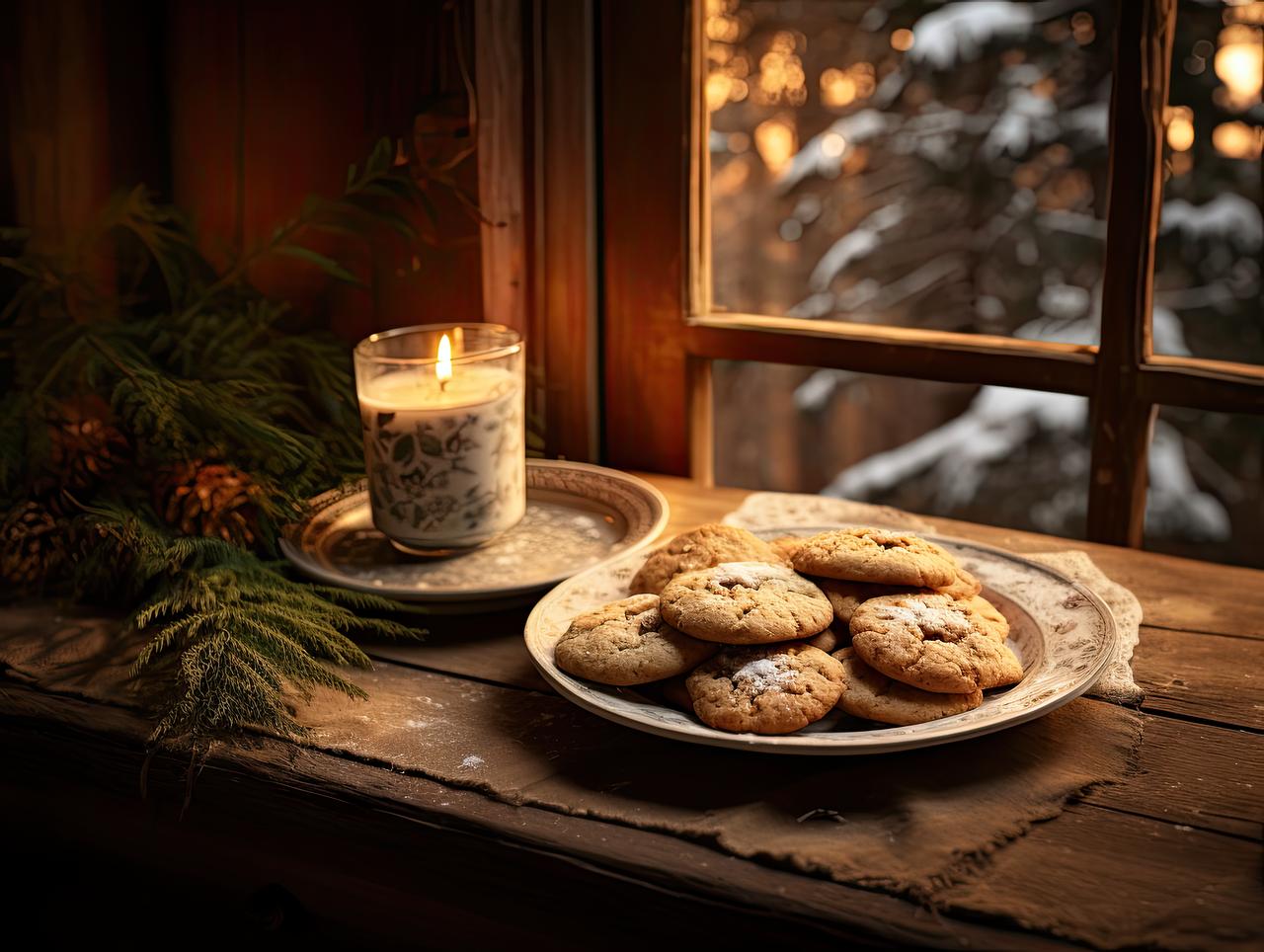
Bringing the warmth and flavors of an 18th-century Christmas into your kitchen.
Imagine stepping into a colonial kitchen on a cold December morning. A fire crackles in the hearth, candles flicker on the table, and the comforting aroma of ginger, nutmeg, and molasses fills the room.
In colonial America, Christmas celebrations varied from community to community. For families who observed the holiday, gathering around the table and sharing special foods were important parts of the season.
One treat that would have been familiar to many 18th-century households was gingerbread.
Unlike the decorated gingerbread men we often see today, colonial gingerbread cakes could be simple, round, warmly spiced treats, somewhere between a soft cookie and a crisp biscuit.
Gingerbread recipes appeared in popular cookbooks of the period, including Hannah Glasse’s The Art of Cookery Made Plain and Easy.
Colonial Gingerbread Cakes
A modern kitchen adaptation inspired by 18th-century recipes.
Preparation: 20 minutes
Baking time: 10–12 minutes
Makes: Approximately 24 cookies
Ingredients
- 2½ cups all-purpose flour
- ⅔ cup sugar
- ½ cup unsalted butter, softened
- ½ cup molasses
- 2 tablespoons heavy cream
- 1 tablespoon ground ginger
- 1 teaspoon ground nutmeg
- ¼ teaspoon salt
- 1 teaspoon baking soda
Directions
- Preheat your oven to 375°F. Line two baking sheets with parchment paper.
- In a large bowl, combine the flour, sugar, ginger, nutmeg, salt, and baking soda.
- Work the softened butter into the dry ingredients until the mixture resembles coarse crumbs.
- In a small saucepan, gently warm the molasses and cream together over low heat. Do not boil.
- Pour the warm mixture into the dry ingredients and stir until a firm dough forms.
- Roll the dough on a lightly floured surface to approximately ¼-inch thickness.
- Cut into rounds using a cookie cutter or the rim of a drinking glass.
- Place on the prepared baking sheets and bake for approximately 10–12 minutes, until the edges are firm.
- Allow to cool before serving.
Enjoy with a warm cup of tea or cider.
Did You Know?
In the 1700s, recipes were often called “receipts.” Measurements were not always as precise as those in today’s cookbooks, and cooks relied heavily on experience.
Ginger, nutmeg, and other imported spices were valued ingredients. Molasses was also widely used in colonial American cooking.
Colonial cooks prepared their baked goods in hearth ovens, carefully judging the heat using their experience rather than a modern temperature dial.
Bringing History Home This Christmas
As you bake these gingerbread cakes, imagine the generations of families who prepared similar treats long before electric ovens, stand mixers, or packaged cookie dough.
Cooking an old-fashioned recipe is a wonderful way to experience history firsthand and share a little of the past with younger generations.
From all of us at the Phillipsburg Area Historical Society, we wish you a warm and joyful holiday season.
Preserving the past, sharing its stories, and keeping history alive for future generations.
Chatham Artillery Punch c. 1791 and served to President George Washington
Ingredients
2 gallons of black or green tea steeped overnight
*Oleo Saccharum and Juice of 30 lemons
5-pound bag of brown sugar
2 gallons of dark rum
1 gallon of good brandy
1 gallon of gin
1 gallon of rye whiskey
2 gallons of Madeira wine
2 quarts crushed fresh cherries, pits and stems removed (soaked overnight in the brandy)
2 quarts of fresh pineapple chunks
10 quarts champagne

Process
*To make Oleo Saccharum [Oil] peal zest in strips from the fruit (don’t use pith) toss with 5 pounds of brown sugar, cover and let sit for 24 hours. Juice the lemons, strain through fine sieve. Pour juice into container and add boiling water to lemon juice to equal two quarts of liquid. Pour the water/juice mixture over the zest/sugar mixture. Remove the citrus zest from the bowl. Stir mixture to completely combine juice, water and oil. This mixture may be refrigerated and stored for up to one month.
Mix all the ingredients above except the pineapple and champagne. This mixture may be stored in sterilized glass jars for up to 2 months. The longer the punch blends, the smoother it will become.
When it is ready for serving, pour the punch into large punch bowl, top with pineapple chunks and champagne. Add ice and let chill. Ladle into 8 oz. glasses. Serves about 175 people.
Milk Punch c. early 1700s
Ingredients
3/4 cup granulated sugar
2/3 cup hot water
1-1/2 cups Irish whiskey
3-1/2 cups evaporated milk (cooled)
Freshly grated nutmeg

Process
Dissolve the sugar in the hot water. Leave to cool. Add the whiskey to the sugar water and chill. Mix in the evaporated milk. Garnish with nutmeg. Serves 2
Evaporated milk is milk heated to reduce the water content by 60%. To make your own evaporated milk. Simmer regular whole milk over medium low heat for about 25 minutes. 2 1/4 cups will reduce down to about 1 cup.
Traditional Hot Spiced Apple Cider
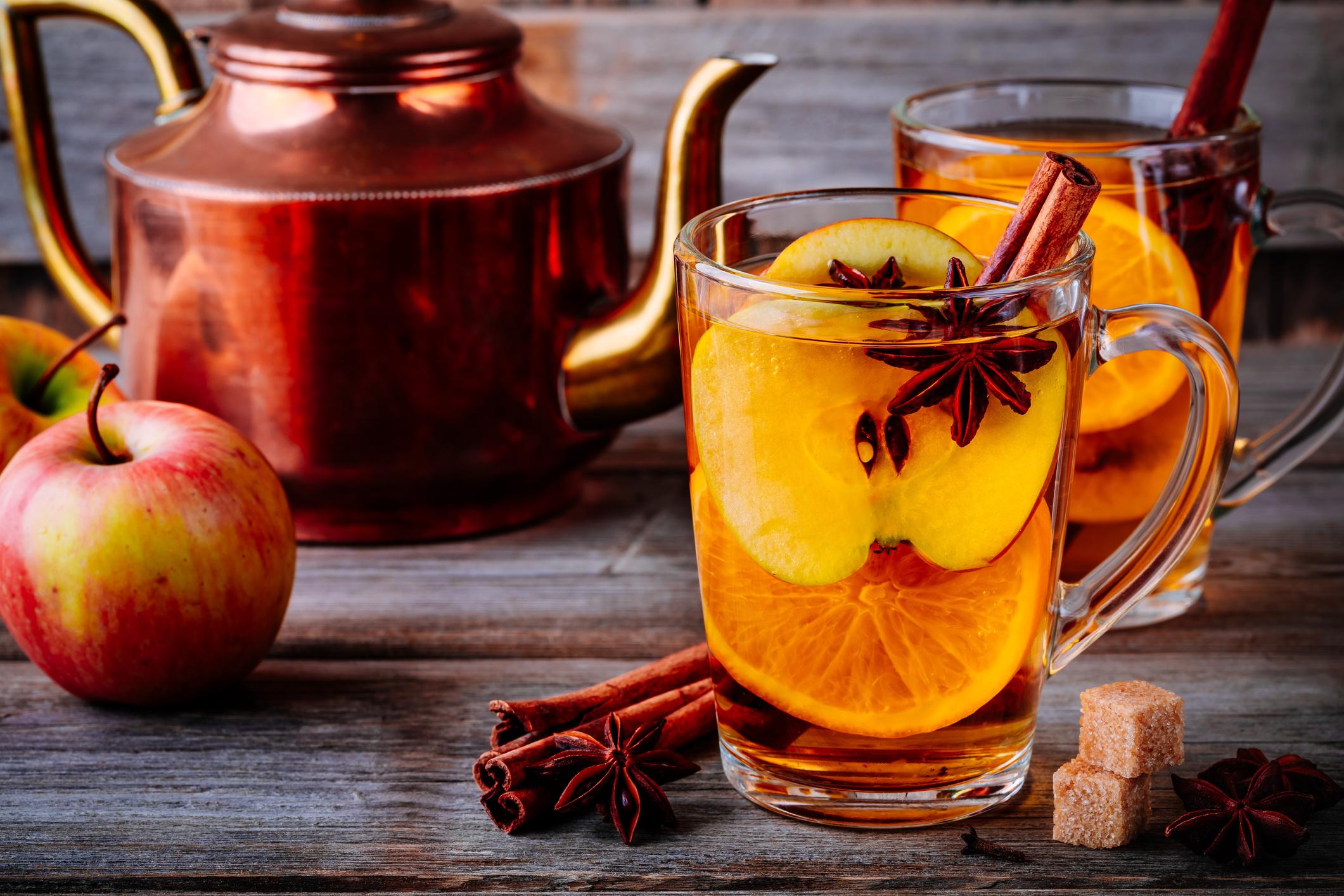
A Taste of Autumn from Days Gone By
Few things bring to mind the warmth of an old-fashioned kitchen quite like the aroma of apple cider simmering with cinnamon and cloves.
In generations past, apples were an important part of the autumn harvest. Families pressed fresh cider, preserved their harvest, and gathered around warm hearths as the colder months approached.
Today, we can recreate a little of that seasonal tradition with this simple recipe.
Ingredients
- 1 gallon fresh apple cider
- 3 cinnamon sticks
- 6 whole cloves
- 4 whole allspice berries
- 1 orange, sliced
- 2 tablespoons brown sugar or maple syrup (optional)
- 1 small pinch of ground nutmeg
Instructions
- Pour the apple cider into a large saucepan or slow cooker.
- Add the cinnamon sticks, cloves, allspice, orange slices, and nutmeg.
- Warm over low heat, allowing the spices to infuse the cider for approximately 30–45 minutes. Do not boil.
- Taste and add brown sugar or maple syrup if additional sweetness is desired.
- Strain out the whole spices and orange slices.
- Serve warm in mugs, garnished with a cinnamon stick or a fresh orange slice.
Makes approximately 16 eight-ounce servings.
A Little Taste of History
Apples and cider have a long tradition in American foodways. Warm, spiced cider remains a comforting way to celebrate the harvest season and welcome family and friends.
Whether enjoyed during an autumn gathering or beside a warm fire on a winter evening, this simple drink offers a taste of seasonal traditions that continue today.
Shared by the Phillipsburg Area Historical Society as part of our Days of Yore recipe collection.
